




Blog

Breast Augmentation Articles 1

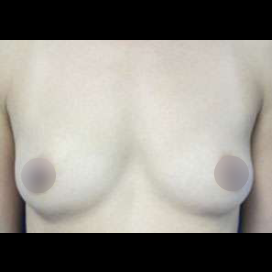
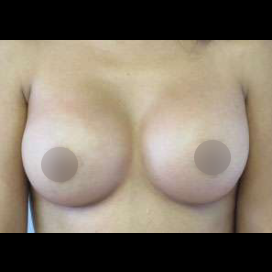
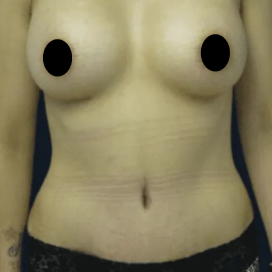
The History of Breast Augmentation in the US Glandular hypomastia (small breasts) occurs either developmentally or by postpartum involution. Following introduction of silicone gel implants in 1962 by Cronin and Gerow, breast augmentation has become the most frequently performed operation in plastic surgery. Women in general have enhanced self-image, increased […]

Read More

Tummy Tuck Articles 1

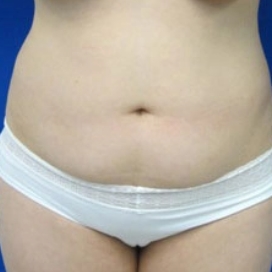
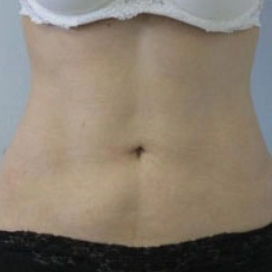
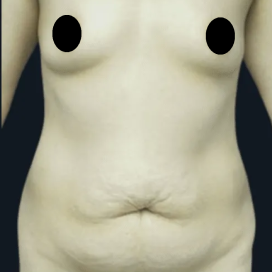
Contents1 Goals of Tummy Tuck2 The History of the Tummy Tuck3 The Anatomy of the Tummy Tuck4 Browse Beverly Hills and Los Angeles Tummy Tuck Articles at Hughes Plastic Surgery: Goals of Tummy Tuck Dr. Kenneth Hughes performs many tummy tuck surgeries in Los Angeles and Beverly Hills.  The tummy […]

Read More

Face and Neck Lift Article 10

Secondary Facelifts Secondary facelifts are those facelifts in patients who have had plastic surgery performed before. These are usually more difficult and should be done by plastic surgeons who have done more facelifts in the past. Dr. Hughes has performed hundreds of face lifts, and he has the experience and […]

Read More

Face and Neck Lift Article 9

Optimal Scar Placement in Facelifts The scar around the earlobe is perhaps the most important. The scar should not lie directly in the lobular-facial crease because the crease itself constitutes a delicate anatomic subunit that should not be disrupted. A superior result will be obtained if the scar is situated […]

Read More

Face and Neck Lift Article 8

Facelift Complications Continued Infection Infection in plastic surgery of the face is uncommon due to the generous blood supply of the head and neck tissues. The rare infection almost always follows the bacterial colonization of a small unsuspected hematoma. If an infected hematoma does occur, adequate drainage is mandatory along […]

Read More

Face and Neck Lift Article 7

Complications of Facelift Hematoma is most common. Its incidence has been recorded in various series as ranging from 1% to 8%, with an average of about 4%. Discontinuation of medications such as aspirin and other non-steroidal anti-inflammatory drugs is paramount. If the patient has high blood pressure, the blood pressure […]

Read More

Upper and Lower Eyelids Article 6

Complications of Upper and Lower Eyelid Surgery Patients generally look presentable approximately 2 weeks after surgery. On occasion, prolonged edema or bruising can be an issue. Generally, these items are managed conservatively. Occasionally, Dr. Hughes may place a tarsorrhaphy stitch or Frost stitch to support the eyelid during healing. Postoperative […]

Read More

Liposuction Article 6

Postoperative Management in Liposuction Many of the goals of postoperative management include avoiding complications and following protocols established. Many of these items have already been discussed in previous articles. The most critical issue of postoperative management is the consistent wearing of the compression garment for 4 to 6 weeks. Wearing […]

Read More

Face and Neck Lift Article 6

SMASectomy SMASectomy involves removing a portion of SMAS. The mobilized SMAS flap is then rotated upward with some posterior traction to accomplish the desired vector of lift of the lower face, jaw line, and neck based on the surgeon’s judgment. The primary vector is upward, but a lateral component of […]

Read More

Upper and Lower Eyelids Article 5

The Transconjunctival (Scarless) Eyelid Surgery Transconjunctival blepharoplasty involved making an incision inside the lower eyelid by everting the lower eyelid. This lower eyelid surgery approach allows for the creating of an essentially scarless approach. This lower eyelid surgery approach is the preferred procedure for fat reduction in patients without excess […]

Read More